
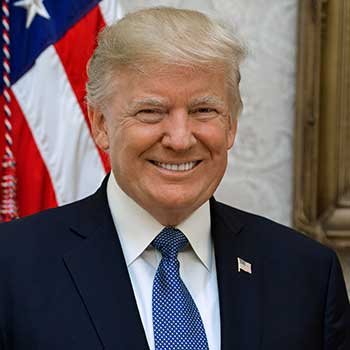
When Donald Trump proclaimed:
“My life was saved for a reason. I was saved by God to make America great again”
…during his 2025 inauguration, he wasn’t merely expressing gratitude—he was positioning himself as a leader with a divine mission. In a world facing political fragmentation and global uncertainty, such words resonated deeply with millions. But what lies beneath this powerful statement? Was it a call to unity, a strategy to galvanize his supporters, or a deeper reflection on America’s destiny? In this article, we’ll explore the meaning, context, and lasting impact of Trump’s bold declaration.
Context of the Quote
Donald Trump’s quote, “My life was saved for a reason. I was saved by God to make America great again,” was delivered during his second inauguration in January 2025. This moment was significant not just because of the ceremony itself, but because of the broader political and social atmosphere that surrounded it.
At the time, the United States was dealing with intense political polarization, economic uncertainty, and rising international tensions. Many Americans were searching for strong leadership and a renewed sense of national purpose. Trump’s return to office was seen by his supporters as a chance to restore what they believed had been lost.
In this environment, Trump’s statement served to establish not only his political goals but also to frame his leadership as part of a larger, almost spiritual mission. By invoking divine intervention, he positioned himself as more than just a politician—he was presenting himself as someone with a special, God-given responsibility to guide the nation.
Understanding this context is crucial. Without it, the power behind his words might be misunderstood or underestimated. It reflects the mood of a nation at a crossroads, yearning for direction, and a leader who claims to be chosen for that very purpose.
Meaning of the Quote
At its core, this quote carries a layered meaning that goes beyond personal gratitude. Trump’s statement suggests that his survival—or his political comeback—was not random but part of a deliberate, higher plan. It communicates three key ideas:
- Personal Destiny: Trump implies that his life has a special purpose. It’s not merely about personal achievement but about fulfilling a destiny that benefits the entire country.
- Divine Endorsement: By mentioning God, Trump frames his mission as something sacred. He implies that his actions are not only politically motivated but spiritually justified.
- National Mission: The phrase “to make America great again” connects his personal story to the broader American identity. It suggests that his leadership is necessary for the nation’s revival.
This kind of messaging is powerful because it taps into deep psychological needs—people want to believe in leaders who have a purpose greater than themselves. It also reflects a longstanding tradition in American politics where leaders often blend personal destiny with national destiny to inspire unity and action.
In explaining this to students, it’s important to emphasize that such language is never accidental. Politicians carefully choose their words to build emotional connections and rally support. Here, Trump is not just telling a story about himself—he is inviting Americans to see his journey as their journey too.
Religious and Patriotic Tone of the Statement
The religious and patriotic undertones in Trump’s quote are unmistakable and strategically powerful. When a political leader invokes God and national greatness in the same breath, it accomplishes several things at once:
- Creates a Moral Framework: By suggesting that God saved him, Trump casts his political mission as morally right. If God supports it, it must be good and just.
- Strengthens Emotional Appeal: Religion and patriotism are two of the strongest emotional forces in American culture. Combining them creates a powerful sense of shared identity and moral urgency.
- Mobilizes Key Support Groups: Faith-based communities, who see America as a nation with a divine purpose, are particularly responsive to this type of messaging.
For students learning to analyze political language, it’s important to recognize how religious references can serve secular goals. In this case, religion is not simply about faith; it is used as a tool to inspire loyalty, to frame political opponents as enemies of a sacred mission, and to energize a patriotic base.
Trump’s phrasing also fits into a larger American tradition known as “civil religion”—the blending of religious themes with national identity. Leaders from Lincoln to Reagan have used similar tactics. However, what makes Trump’s approach distinct is the directness with which he ties his personal survival to divine favor, making his leadership seem not just preferable, but ordained.
Psychological and Rhetorical Analysis
To fully grasp the weight of Trump’s statement, it’s important to understand how language can shape emotions and beliefs. His quote uses powerful psychological and rhetorical strategies that go beyond ordinary speech.
First, the use of a “messianic narrative” is key. This means presenting oneself as a kind of savior figure—someone who has been chosen to rescue or redeem a group, nation, or cause. In psychology, people often seek leaders who offer certainty in uncertain times. By suggesting that his life was saved for a grand purpose, Trump taps into a deep human desire for meaning and order, especially during periods of instability.
Second, Trump uses a rhetorical technique called emotional appeal (in Latin, pathos). Instead of presenting logical arguments or detailed plans, he appeals directly to feelings of hope, loyalty, and faith. This makes his words more memorable and persuasive, especially to those who already feel disillusioned or fearful about the future.
Third, divine association plays a psychological role. By linking his mission to God, Trump subtly removes his agenda from ordinary political debate. Instead of being just “his plan,” it becomes a sacred duty. Criticizing such a mission then feels, to many, like criticizing a higher will—which makes opposition harder to justify emotionally.
When teaching this concept to students, it is important to highlight that leaders often craft their messages carefully. They aim not only to inform but to inspire, to create allegiance, and to mobilize action through shared emotions, symbols, and values. Trump’s quote is a textbook example of how psychological needs and rhetorical techniques are blended to maximize influence.
Critical View: Potential Controversies
While Trump’s statement was inspirational to many, it also raised significant controversies, particularly in the context of religion and politics. It’s crucial for students to understand that not all audiences react to such messages in the same way.
Several critical points emerge:
- Religious manipulation: Some critics argue that invoking God in political discourse can be manipulative. It can blur the line between genuine faith and political strategy, leading people to support policies not on their merits but because they believe those policies are divinely approved.
- Exclusion of others: When a leader claims a divine mandate, it can unintentionally—or intentionally—alienate citizens who do not share the same religious beliefs or who prefer a secular government.
- Danger of absolute certainty: Framing leadership as a divine mission can discourage healthy democratic debate. If a leader’s authority is seen as “God-given,” questioning that leader may be framed as immoral or unpatriotic, which undermines critical thinking and public accountability.
It is important when analyzing such statements to consider not just their intended effect, but also their unintended consequences. A healthy society thrives on open discussion and diversity of opinion. When political rhetoric shuts down that space, it can lead to polarization and conflict.
By teaching students to look at both the persuasive power and the potential risks of such language, we help them become more critical and responsible citizens.
Impact of the Quote on the Political Climate
Trump’s declaration that his life was saved to “make America great again” left a lasting imprint on the political landscape of 2025 and beyond. Understanding the broader impact of this statement helps students see how a single phrase can influence a nation’s mood, policies, and even its identity.
First, it reinforced a collective narrative—the idea that America needed saving and that Trump was the man destined to lead that salvation. For many, this brought renewed energy and commitment to his movement.
Second, it deepened political divides. Supporters saw Trump’s leadership as part of a higher plan, while opponents viewed it as an alarming blend of religion and politics that threatened the country’s secular foundations.
Third, it shaped public expectations. When a leader presents themselves as chosen for a mission, followers often expect bold, transformative actions. This can create pressure to deliver dramatic results, fueling political risk-taking and making compromise more difficult.
In the classroom, it’s important to stress that political language is not just about winning elections—it shapes how citizens think about their country, their leaders, and themselves. Trump’s quote is a powerful example of how words can both unite and divide, inspire and provoke, depending on how they are received and interpreted.
Understanding these dynamics equips students not only to analyze historical events but also to engage thoughtfully with the political messages they encounter every day.
You might be interested in…
- “We Will Be a Nation Like No Other” – What Donald Trump’s 2025 Inaugural Quote Says About His Vision for America
- “We Will Drill, Baby, Drill” – What Trump’s Inaugural Slogan Reveals About His Energy Vision
- ‘The American Dream Is Unstoppable’ – How Donald Trump’s Bold Declaration Reflects Populist Rhetoric and National Identity”
- “My Life Was Saved for a Reason” – Understanding Donald Trump’s 2025 Vision to Make America Great Again
- “You Don’t Start a War Against Somebody That’s 20 Times Your Size” – What Donald Trump Really Meant About the Ukraine Conflict