
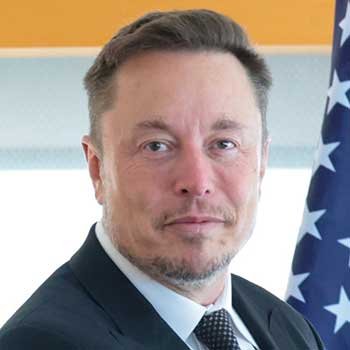
In a world driven by instant results and fleeting motivation, persistence often feels outdated—until someone like Elon Musk reminds us of its power.
“Persistence is very important. You should not give up unless you are forced to give up,”
he once said, and it wasn’t just an offhand remark. Coming from a man who faced multiple failed rocket launches, near-bankruptcies, and public doubt, these words carry weight. But what exactly did Musk mean by this? Is there a deeper psychological or philosophical lesson behind this mindset? Let’s dive into the meaning and relevance of this powerful quote.
Context of the Quote and the Author’s Background
To truly understand this quote, we first need to understand who Elon Musk is and why his words matter. Musk isn’t just another tech entrepreneur—he’s a symbol of high-stakes risk, innovation, and resilience. Born in South Africa and later moving to the United States, Musk has been behind some of the most ambitious ventures of the 21st century: Tesla, SpaceX, Neuralink, and more.
When Musk says, “Persistence is very important. You should not give up unless you are forced to give up,” he’s speaking from a place of personal and professional experience. Consider this:
- SpaceX had multiple rocket launch failures before finally succeeding.
- Tesla nearly went bankrupt several times before becoming profitable.
- Musk himself faced intense public criticism and emotional strain.
In other words, he’s not speaking hypothetically—he’s lived through the kind of setbacks that would make most people walk away. This context gives the quote real weight. It’s not just advice; it’s a survival strategy. He believes persistence isn’t just helpful—it’s essential when you’re trying to do something that’s never been done before.
What Does “Don’t Give Up Unless You Are Forced To” Really Mean?
This part of the quote is key, and it’s important not to misunderstand it. Musk isn’t saying “never give up” in the blind, motivational-poster way. He’s making a clear distinction between giving up by choice and being truly forced to stop.
Let’s break this down:
- “Don’t give up” refers to your voluntary decision to quit when things get tough. Musk warns against this because many people stop at the first sign of resistance.
- “Unless you are forced to” implies there are real, external limits—like running out of resources, legal barriers, or health concerns—that might leave you no choice but to pause or pivot.
So the lesson here is not about being stubborn, but about being strategically relentless. You don’t back down just because something is difficult, or because you feel momentary doubt. You only reconsider when circumstances absolutely demand it, not just when it’s inconvenient or uncomfortable.
This mindset teaches:
- Resilience: The ability to stay committed even when progress is slow.
- Emotional discipline: Not letting fear or discouragement dictate your actions.
- Focus on the goal: Trusting your vision enough to outlast the obstacles.
In short, this quote challenges us to redefine our threshold for giving up. It encourages us to push beyond common limits—so long as it’s safe and reasonable to do so—and keep going until the world truly leaves us no option.
Philosophical Background: Persistence as a Human Virtue
When we look at persistence through a philosophical lens, it becomes more than just a motivational tactic—it turns into a core human virtue. Philosophers across history have explored the value of endurance, struggle, and the ability to continue even in the face of failure or uncertainty.
Let’s look at a few key philosophical perspectives that help us understand why Musk’s quote resonates so deeply:
- Stoicism: Thinkers like Epictetus and Marcus Aurelius taught that we should remain firm in our purpose regardless of external difficulties. In their view, virtue is shown in action, especially when life gets tough. A Stoic would agree with Musk: don’t give up, unless it’s absolutely impossible to go on.
- Existentialism: Philosophers like Søren Kierkegaard and Jean-Paul Sartre believed that meaning is not given but created, often through personal struggle. According to this view, persistence is the very process by which we shape our identity and find purpose in life. Giving up too easily might mean we’re refusing to take responsibility for who we want to become.
- Pragmatism: American philosopher William James argued that truth and success come from what works over time—and often, the only way to find that out is by persisting through trial and error.
So when Musk talks about persistence, he’s echoing a long tradition of thinkers who saw human willpower and determination as foundational to personal growth and achievement. He may be an engineer, but this message is deeply philosophical at its core: who you become is defined by what you’re willing to endure.
Psychological Perspective: When Persistence Becomes Counterproductive
Now, let’s shift gears and look at persistence from a psychological angle. While persistence is clearly important, it’s also essential to recognize that there’s a line between healthy determination and harmful stubbornness.
Sometimes, people continue with a project, relationship, or goal even when all the evidence suggests it’s time to stop—not because it’s brave, but because they’re emotionally invested or afraid to admit failure.
Here are a few psychological concepts to understand this better:
- Sunk Cost Fallacy: This is when people continue investing time, energy, or money into something just because they’ve already put so much in—even if continuing makes no logical sense. It’s like saying, “I’ve already come this far, I can’t stop now,” even when the situation is clearly unworkable.
- Overidentification with Goals: When we attach our entire identity to a specific goal, giving up can feel like a personal collapse. In such cases, persistence may no longer be about progress—it becomes a form of denial.
- Burnout and Mental Fatigue: Constantly pushing yourself without breaks or reflection can lead to exhaustion, anxiety, and even depression. True persistence includes knowing when to rest, reassess, or seek help.
So what’s the takeaway? Musk’s advice isn’t a green light to blindly push through everything. Instead, it invites us to be intelligent and intentional with our efforts. Healthy persistence is:
- Aware of context
- Open to feedback
- Flexible when needed
In short, knowing when to keep going and when to pivot is a psychological skill—and mastering it can be just as valuable as the grit itself.
Relevance in Today’s Society and Personal Growth
In our fast-paced world, where everything from communication to career advancement feels accelerated, persistence is often overlooked. We live in a culture of shortcuts—viral fame, instant gratification, and “overnight success” stories dominate our feeds. But here’s the truth your teachers probably never stop reminding you: real growth takes time, and more importantly—it takes persistence.
Let’s look at where this mindset applies in real life:
- Young professionals: Whether you’re trying to break into a competitive field or build a startup, the first few attempts might not go as planned. Musk’s quote is a reminder not to equate early failure with final defeat.
- Students: Learning a complex subject (like math, programming, or a new language) requires continuous effort. Giving up too early cheats you out of the learning curve.
- Creatives: Writers, artists, and musicians often work for years before being recognized. Persistence isn’t just useful—it’s part of the process.
- Personal goals: Whether it’s getting in shape, overcoming anxiety, or building better habits, meaningful change doesn’t happen overnight. It’s the daily, often invisible effort that builds long-term success.
The takeaway is this: in a society that pressures you to move fast, Musk’s philosophy invites you to slow down, dig deep, and stay the course—as long as the goal still matters to you.
A Critical Look: Are There Times When Giving Up Is the Right Choice?
Let’s be honest—sometimes giving up is not only reasonable, but wise. Musk’s quote does say “unless you are forced to give up,” and that condition is crucial. Being persistent doesn’t mean ignoring reality or logic.
There are moments when quitting is not failure, but actually growth. Knowing when to walk away is a sign of maturity and clarity.
Here’s when giving up might be the right move:
- When the cost outweighs the benefit: If continuing a project is draining your health, relationships, or well-being, that’s a red flag.
- When the original goal no longer aligns with your values: People evolve. If what once mattered deeply to you now feels empty or forced, it may be time to rethink your direction.
- When you’ve tried every viable route: Some paths truly are blocked—by law, economics, or irreversible outcomes. In those cases, redirecting your energy is smarter than hitting a wall endlessly.
The key here is discernment. Don’t give up just because something is hard—but do give up if it’s harmful, meaningless, or no longer your path. That’s not weakness. That’s wisdom.
Final Reflection: Persistence Is Balance Between Passion and Reality
If we had to boil this quote down to one core idea, it would be this: persistence is not about never quitting—it’s about knowing what’s worth fighting for.
Elon Musk’s statement isn’t a call for blind endurance. It’s an invitation to push boundaries—but with awareness, with intelligence, and with inner purpose. The kind of persistence he promotes is:
- Rooted in passion, not ego
- Grounded in strategy, not fantasy
- Resilient in the face of resistance, but open to learning and change
So what should we take from this quote as students, professionals, or simply as human beings? That life will test us. That success requires not just a strong will, but a clear compass. And that persistence—true, meaningful, sustainable persistence—is the art of continuing not because it’s easy, but because it matters.
You might be interested in…
- “You Want a Future Where Things Get Better” – Elon Musk’s Vision of Optimism and Why It Matters
- What Elon Musk Meant by “Persistence Is Very Important” – A Lesson in Relentless Determination
- “I Think It Is Possible for Ordinary People to Choose to Be Extraordinary” – Elon Musk’s Belief in the Power of Personal Choice
- “If You Get Up in the Morning…” – Why Elon Musk Believes Optimism Shapes Reality
- Why Elon Musk Says “When Something Is Important Enough, You Do It Even If the Odds Are Not in Your Favor”