
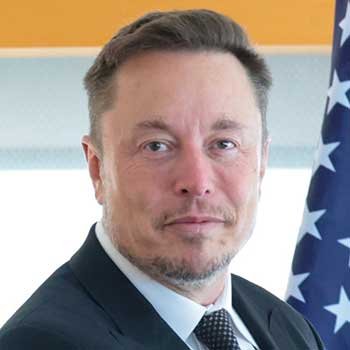
What makes someone extraordinary? Is it talent, luck, or something else entirely? For Elon Musk, the answer is simple but profound: choice. In his powerful statement,
“I think it is possible for ordinary people to choose to be extraordinary,”
Musk rejects the notion that greatness is reserved for the elite few. Instead, he inspires belief in the transformative power of determination and will. But what did he truly mean by this, and why does this quote resonate so deeply in today’s world of self-doubt and societal pressure? Let’s explore the meaning behind these words—and why they still matter.
Origin and Context of the Quote
Elon Musk is known for his ambitious ideas and bold statements, but this particular quote—“I think it is possible for ordinary people to choose to be extraordinary”—stands out because of how deeply it resonates with people from all walks of life. He didn’t say this in a polished speech or a prepared interview, but rather as part of his general worldview that he’s expressed in various formats: tweets, interviews, and casual conversations. It reflects a core belief that success is not an exclusive privilege, but a potential within everyone.
To understand the context, it helps to look at Musk’s personal journey. Born in South Africa and having faced bullying and isolation in his youth, he didn’t begin life with advantages most would associate with future billionaires. His path was filled with risks: dropping out of Stanford, investing all his money into startups like SpaceX and Tesla, and facing multiple near-bankruptcies. Yet, through persistent work, belief in his vision, and refusing to give up when things got tough, Musk shaped the reality he imagined.
So when Musk says that ordinary people can choose to be extraordinary, he speaks from experience—not theory. He’s not praising natural talent, but deliberate effort. And that’s why this quote matters: it redefines what “extraordinary” really means, suggesting it’s something built, not something inherited.
The Meaning of “Ordinary” and “Extraordinary”
To fully appreciate Musk’s quote, we need to break down what he means by “ordinary” and “extraordinary”. These words aren’t just labels—they represent two different mindsets.
“Ordinary” often refers to someone who blends into the crowd—someone without fame, wealth, or special accomplishments. But let’s be clear: being ordinary doesn’t mean being unworthy or unimportant. It simply means living in a way that doesn’t challenge the limits of one’s potential.
“Extraordinary”, on the other hand, doesn’t have to mean you change the world like Musk or become a global icon. It can mean pushing your personal boundaries, daring to dream bigger than your circumstances allow, or standing out by doing something with passion and purpose.
There are a few key differences between an ordinary and an extraordinary path:
- Ordinary choices often prioritize comfort, safety, and predictability.
- Extraordinary choices involve risk, long-term vision, and stepping outside your comfort zone.
- Ordinary people may wait for permission or ideal conditions.
- Extraordinary people act despite uncertainty or obstacles.
In Musk’s view, these aren’t fixed categories. He doesn’t believe some people are born extraordinary and others are not. Instead, he’s saying that being extraordinary is a decision—a mindset you choose and a path you commit to.
By choosing courage over fear, action over doubt, and growth over comfort, anyone can shift from ordinary to extraordinary. It’s not about being better than others; it’s about being better than your past self.
The Power of Choice: Free Will vs. Determinism
Let’s stop for a moment and ask a big question: do we really get to choose who we become? Or are we just shaped by circumstances we can’t control—our family, income, health, or education? That’s the heart of the debate between free will and determinism.
When Elon Musk says that ordinary people can choose to be extraordinary, he’s leaning into the idea of free will—the belief that we have agency, that we can make decisions that change our direction in life. He’s saying: “Yes, your past matters, but your choices matter more.”
That doesn’t mean life is fair. Of course, someone born into wealth or opportunity has advantages. But choice still plays a huge role. Every day, you decide:
- What to focus on
- Whether to give up or keep trying
- Whether to follow the crowd or take a harder path
Even small decisions—reading a book, starting a project, saying yes to a challenge—can shift your path over time. That’s what Musk is pointing to. You might not control where you start, but you can influence where you end up. And that is a powerful message.
Extraordinary is Earned, Not Given
One of the most common myths we hear is that exceptional people are “just born that way.” But Musk challenges this idea head-on. He believes being extraordinary is not about winning the genetic lottery—it’s about effort, resilience, and grit.
Let’s make that clear: talent helps, yes. But talent without effort stays hidden. On the other hand, consistent effort, even with modest talent, builds skill, confidence, and results over time. That’s why teachers, coaches, and leaders often say: hard work beats talent when talent doesn’t work hard.
Here’s how extraordinary is built:
- Consistency: Showing up every day, even when you don’t feel like it.
- Risk-taking: Trying things that might not work, and learning from the outcome.
- Failure: Using failure not as a stopping point, but as feedback.
- Curiosity: Asking questions, exploring, and wanting to grow.
Musk himself didn’t become a rocket scientist by accident. He taught himself aerospace engineering by reading textbooks and asking the right people. That’s not genius; that’s commitment.
So when you think about becoming extraordinary, don’t look for shortcuts. Look for small actions you can take each day that build into something meaningful. It’s not about fame or money—it’s about choosing growth, again and again.
Why This Message Matters Today
In today’s world, it’s easy to feel like we’re just one person in a sea of millions. Social media shows us highlight reels of other people’s lives. Algorithms feed us what’s popular. The result? Many people stop believing they can stand out, or that their choices matter.
That’s exactly why Musk’s quote hits home. He reminds us that we’re not powerless. In fact, our decisions—however small—shape who we become more than any algorithm ever could.
Let’s look at why this idea matters right now:
- We live in a culture of comparison, where people often feel “not good enough” unless they’re already successful.
- Many young people struggle with purpose, unsure if their efforts will lead anywhere.
- Automation and AI are changing jobs and industries, making it easy to feel irrelevant.
But here’s the truth: choosing to grow, improve, and contribute is never irrelevant. Whether you build a business, write a poem, mentor a friend, or fix a broken system—those are extraordinary actions, especially when done with intention.
Similar Ideas in Philosophy and Literature
Elon Musk’s quote might sound modern and motivational, but the core idea behind it is deeply rooted in philosophy and literature. The belief that people can rise above their conditions through willpower and inner transformation isn’t new—it’s something thinkers and writers have explored for centuries.
In philosophy, several key figures echo this mindset:
- Friedrich Nietzsche spoke about the Übermensch, or “Overman”—someone who transcends limitations imposed by society and becomes a creator of their own values.
- Jean-Paul Sartre, a key figure in existentialism, argued that “existence precedes essence.” In simple terms, this means we are not born with a fixed identity—we create ourselves through choices.
- Ralph Waldo Emerson, in his essays on self-reliance, emphasized the importance of trusting your inner voice and shaping your destiny without conforming to external pressures.
In literature, the theme of transformation from “ordinary” to “extraordinary” appears again and again:
- David Copperfield by Charles Dickens shows a boy from humble beginnings who overcomes hardship to become a successful and moral man.
- Jane Eyre by Charlotte Brontë presents a quiet, plain orphan girl who stands up for her dignity and builds a meaningful life through inner strength.
- The Alchemist by Paulo Coelho centers on the idea that following your personal legend—your purpose—requires courage, but leads to true fulfillment.
These examples all support Musk’s message: greatness is not about status or fame, but about the inner journey of becoming more than you once were. And that journey always starts with a choice.
Critical Reflection and Potential Objections
Now, let’s pause and be honest: as powerful as Musk’s quote is, it’s not without its critics. And it’s important—especially in thoughtful discussion—not to accept inspiring ideas blindly. Let’s look at some fair objections and how they fit into the bigger picture.
One common critique is that not everyone has the same starting line. While the quote promotes self-determination, some people live in poverty, face discrimination, lack access to education, or deal with health problems. For them, choosing to be extraordinary may not be as simple as deciding to try harder.
Another concern is that this kind of mindset can lead to toxic individualism—the idea that success or failure is entirely personal, ignoring social systems and collective responsibility. When taken to extremes, it can suggest that people who struggle are just not trying hard enough, which is unfair and untrue.
There’s also the risk of burnout culture. If people constantly push themselves to be “extraordinary” without rest, reflection, or balance, they may harm their well-being in the process.
So, how do we deal with these criticisms?
- We acknowledge them, instead of ignoring them.
- We interpret Musk’s quote as a personal encouragement, not a universal rule.
- We balance self-improvement with empathy—recognizing both our own power and the real challenges others face.
The point isn’t to deny hardship, but to say: wherever you are, there is still a next step you can take. And that step can matter.
A Call to Action and Self-Responsibility
At the end of the day, Musk’s quote is not about becoming a billionaire or launching rockets into space. It’s about realizing that you don’t have to settle for the default version of yourself. You have the power to make conscious decisions that shape your future.
So what can you do with this idea?
- Start small. Being extraordinary doesn’t have to begin with a big leap. It can be as simple as showing up for yourself when it’s hard.
- Make deliberate choices. Pay attention to how you spend your time, what you focus on, and what kind of person you’re becoming.
- Be persistent. The road to growth isn’t always exciting. Often, it’s boring, slow, and filled with setbacks. But persistence is what separates wishful thinking from transformation.
You might be interested in…
- “You Want a Future Where Things Get Better” – Elon Musk’s Vision of Optimism and Why It Matters
- What Elon Musk Meant by “Persistence Is Very Important” – A Lesson in Relentless Determination
- “I Think It Is Possible for Ordinary People to Choose to Be Extraordinary” – Elon Musk’s Belief in the Power of Personal Choice
- “If You Get Up in the Morning…” – Why Elon Musk Believes Optimism Shapes Reality
- Why Elon Musk Says “When Something Is Important Enough, You Do It Even If the Odds Are Not in Your Favor”