
Quote Analysis
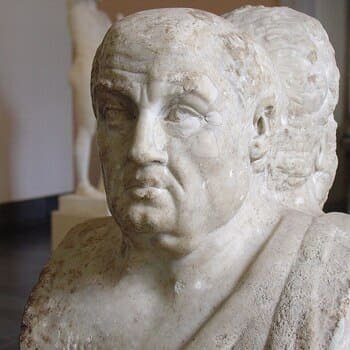
Much of human suffering begins long before anything actually happens. People often feel fear, stress, and anxiety not because of reality itself, but because of the scenarios they build in their minds. This is exactly what Seneca captures in the quote:
“We suffer more often in imagination than in reality.”
With this short sentence, he points to a timeless truth about the human mind: we are often wounded more by anticipation than by facts. His insight remains deeply relevant today, especially in a world where overthinking, anxiety, and imagined worst-case outcomes shape everyday life.
What Does the Quote “We Suffer More Often in Imagination Than in Reality” Mean?
Seneca’s quote points to a simple but powerful truth: a large part of human suffering does not come from what is actually happening, but from what we imagine might happen. In everyday life, this is extremely common. A person has an important meeting tomorrow and spends the whole evening feeling tense, replaying possible failures, awkward moments, and negative reactions. Another person waits for medical results and, before hearing any facts, already begins to picture the worst outcome. In both cases, the mind creates pain before reality has even spoken.
This is the heart of the quote. Seneca is not saying that real pain does not exist. Of course it does. Loss, illness, disappointment, rejection, and uncertainty are all real parts of life. But he is teaching that people often add an extra layer of suffering by mentally enlarging what is still unknown. In other words, reality may bring one burden, but imagination often adds a second one.
This idea can be explained clearly in a few steps:
- Something uncertain appears.
- The mind begins to predict a negative outcome.
- Fear grows stronger than the actual situation.
- The person suffers emotionally before anything has truly happened.
That is why this quote feels so modern even though it is ancient. Many people do not suffer only from events, but from anticipation. They do not face only facts, but also assumptions, inner images, and silent catastrophes built in their own thoughts. Seneca’s sentence teaches an important discipline: we must learn to separate what is real from what is imagined. That distinction alone can reduce a great deal of unnecessary fear.
Seneca and Stoic Philosophy: Why the Mind Becomes the Source of So Much Suffering
To understand this quote more deeply, it helps to understand Seneca himself. He was one of the major Stoic philosophers, and Stoicism teaches that the outside world is not fully under our control, but our judgments, attitudes, and responses are. This is one of the central ideas behind the quote. The problem is not always the event itself. Very often, the deeper problem is how the mind interprets the event.
Stoic philosophy does not promise a life without pain. It is not naive and it does not pretend that life is easy. Instead, it teaches that much human misery comes from confusion about what deserves our energy. People spend enormous emotional strength on imagined futures, possible disasters, and things they cannot yet confirm. The Stoic response is calm and disciplined: do not let the mind run ahead of reality.
Seneca’s thought fits perfectly into this framework. He saw that human beings often become their own tormentors. They take a small uncertainty and turn it into a full inner drama. They suffer not only from what is happening, but from what they tell themselves about what is happening. This is why Stoicism gives such importance to inner clarity.
A teacher-like way to explain this would be:
- A fact is something that has truly happened or is happening.
- A judgment is the meaning we attach to that fact.
- A fear is often built from judgments, not from facts alone.
- Because of that, the mind can create suffering beyond what reality requires.
For example, losing a job is a real problem. But telling yourself, “My life is ruined, I will never recover, everyone will look down on me,” adds mental pain that goes far beyond the fact itself. Stoicism asks a person to pause and ask: what exactly is real here, and what has my mind added? That question is one of the most valuable tools in Seneca’s philosophy. It does not remove hardship, but it prevents hardship from multiplying inside the imagination.
The Difference Between Real Danger and Imagined Suffering
One of the most important lessons in this quote is the need to distinguish between actual danger and imagined suffering. These are not the same thing, although people often mix them together. Real danger involves something concrete: an illness, a financial loss, a broken relationship, a real threat, or a painful event that has already happened. Imagined suffering, on the other hand, is the distress produced by the mind when it predicts, exaggerates, or repeats possible problems that are not yet facts.
This distinction matters because many people respond to possibilities as if they were certainties. They do not say, “Something difficult may happen.” Instead, the mind quickly says, “Something terrible will happen.” That small change in language creates a huge change in emotional experience. A possibility becomes a mental certainty, and fear grows stronger.
A useful way to explain this is through ordinary situations. Someone receives a short message: “We need to talk.” That message is neutral by itself. It contains no clear disaster. But the mind may begin working immediately. The person imagines conflict, rejection, criticism, or loss. In a few minutes, the body becomes tense, the mood darkens, and the imagination fills the empty space with fear. The suffering is real in the emotional sense, but it is not yet based on real facts.
This difference can be made clearer through a simple comparison:
- Real pain comes from what has actually happened.
- Imagined pain comes from what the mind predicts without certainty.
- Real danger needs a response.
- Imagined suffering often needs examination, not panic.
Seneca’s wisdom lies in teaching that not every feeling of fear proves the presence of real danger. Sometimes fear is only evidence that the imagination is active. That does not mean the emotion is fake. It means its source may be mental projection rather than reality itself. Learning this difference is valuable because it helps a person stay grounded. When we stop treating every fearful thought as a fact, we begin to live with more balance, more courage, and less unnecessary torment.
How the Mind Rehearses Disaster Before Anything Happens
One of the strongest practical insights in Seneca’s quote is the idea that the mind often “rehearses disaster” before reality arrives. This means that people mentally practice failure, humiliation, pain, or rejection long before any of those things occur. In many cases, the event itself turns out to be manageable, brief, or even harmless, but the person has already suffered for hours, days, or weeks in advance.
This pattern is common because the imagination is powerful. It can create vivid pictures, detailed scenes, and emotionally charged outcomes. A person preparing for public speaking may not simply think, “I am nervous.” Instead, the mind may create a full story: “I will forget my words, people will laugh, I will look foolish, and everyone will remember it.” None of this has happened, yet the emotional reaction begins as if it were already real. The body tightens, sleep becomes harder, and peace disappears.
This is why Seneca’s quote feels so psychologically precise. He understood that the human mind does not only observe life. It also invents possibilities, and many of those possibilities are dark. The problem is not imagination by itself. Imagination is also the source of creativity, planning, and hope. The problem begins when imagination becomes a factory of fear.
This inner “rehearsal of catastrophe” often follows a pattern:
- Uncertainty appears.
- The mind fills the gap with the worst-case scenario.
- The imagined scene becomes emotionally convincing.
- The person begins suffering before reality has given its answer.
A modern example is easy to see. Someone worries for an entire day about a meeting with a manager, expecting criticism or bad news, only to discover that the conversation is normal and brief. Another person delays opening an email because they are sure it contains something negative, but it turns out to be routine. In such moments, the real event is often much smaller than the mental storm that came before it.
Seneca’s lesson is not that one should never prepare or think ahead. The lesson is that preparation should not become self-torment. There is a difference between being ready and being consumed. When the mind starts rehearsing disaster, wisdom begins by asking a calm question: what do I actually know, and what am I only imagining? That question can interrupt a great deal of needless suffering.
Everyday Examples That Prove Seneca’s Point
One reason this quote has remained powerful for so many centuries is that it describes ordinary life with surprising accuracy. Seneca is not talking only about rare tragedies or dramatic moments. He is describing the small and repeated ways people trouble themselves every day. That is why the quote feels so close to modern experience. A person does not need to live in ancient Rome to understand it. It appears in offices, homes, schools, hospitals, relationships, and even in simple daily routines.
Consider a few common examples. A person is invited to an important interview. Before the interview even begins, the mind starts building a full story of failure: forgetting words, giving weak answers, being judged, and leaving in embarrassment. Another person sees a missed call from a family member and immediately imagines an accident or serious news. A third person waits for a test result and mentally lives through loss, fear, and panic long before any fact is known. In all of these cases, suffering begins before reality has fully arrived.
This is why Seneca’s quote is so practical. It helps explain experiences such as:
- Feeling exhausted before an event even starts.
- Losing sleep over a conversation that ends up being simple.
- Imagining rejection where there is only uncertainty.
- Turning silence or delay into a personal disaster.
Modern life gives endless opportunities for this kind of mental suffering. An unanswered message can feel like abandonment. A short email from a manager can feel like a threat. A social situation can become frightening not because of what is happening, but because of what the mind predicts. In that sense, Seneca’s wisdom is not abstract philosophy. It is a direct explanation of how human fear often works in real life. He teaches that many of our daily burdens are not produced by facts alone, but by the stories we attach to those facts.
The Psychological Power of the Quote: How Thoughts Shape Feelings
This quote is deeply philosophical, but it is also psychologically sharp. Seneca understood something that modern psychology has also confirmed in many ways: thoughts influence emotions. A person does not simply feel fear out of nowhere. Very often, fear grows from the way the mind interprets a situation. When the mind repeatedly presents a scene as dangerous, humiliating, or hopeless, the body and emotions begin reacting as if that scene were already real.
This can be explained in a clear, teacher-like way. The mind creates meaning, and meaning creates emotional response. If a person thinks, “This will probably go badly,” tension begins. If the thought becomes, “This will definitely ruin everything,” the emotional burden becomes much heavier. The external situation may not have changed at all, yet the inner experience becomes more painful because the thinking has intensified.
This quote shows that emotional suffering often follows a pattern:
- The mind forms a fearful idea.
- The idea is repeated and strengthened.
- The body reacts with stress, tension, and worry.
- The person experiences real distress because of imagined outcomes.
This is important because it helps explain why imagined suffering can feel so strong. It is not “fake” suffering just because it comes from thought. The fear is real in the emotional sense. The heartbeat increases, concentration weakens, and the mood darkens. But the source of that suffering may still be mental projection rather than an actual event.
That is why Seneca’s line remains so valuable. It teaches people not to believe every thought simply because it feels urgent. Thoughts are powerful, but they are not always trustworthy. Some thoughts describe reality well. Others enlarge fear, predict catastrophe, and drain emotional energy. By noticing this difference, a person becomes less controlled by panic and more capable of responding calmly. Seneca is not merely observing human weakness here; he is showing a path toward greater inner stability.
The Lesson of the Quote: Do Not Believe Every Fearful Thought
At the center of Seneca’s sentence is a very practical lesson: not every thought deserves trust. This may sound simple, but it is one of the most important skills in life. Many people suffer because they treat every fearful idea as a reliable message. If the mind says, “Something bad is going to happen,” they do not examine that thought. They accept it immediately and emotionally surrender to it. Seneca’s wisdom encourages the opposite. He invites a pause, a form of inner discipline, and a careful look at what the mind is producing.
This lesson matters because the mind often speaks in extremes. It says, “This will be a disaster,” “I will not handle this,” or “Everything will go wrong.” These thoughts feel serious because they are emotionally strong, but strength of feeling does not guarantee truth. A frightened thought is still just a thought. It may be correct, partly correct, or completely false. The wise response is not blind belief, but calm examination.
A useful way to explain this lesson is through a few clear principles:
- A thought is not automatically a fact.
- A fear is not automatically a prediction.
- A strong emotion is not proof that danger is real.
- A calm question can often expose exaggeration.
For example, someone thinks, “If I make one mistake in this presentation, everyone will lose respect for me.” A teacher-like response would be: is that truly a fact, or is it fear speaking? Most people have made mistakes while speaking and survived them without disaster. The mind, however, likes to enlarge small risks into total collapse.
Seneca’s lesson is therefore both philosophical and practical. He is teaching that freedom begins when a person stops obeying every anxious thought. This does not mean ignoring warning signs or pretending life is safe all the time. It means refusing to hand authority to imagination without evidence. A more disciplined mind asks, “What do I know for sure?” That question protects a person from a great deal of needless suffering and leads to a more balanced way of living.
Why This Quote Still Matters So Much Today
Although Seneca lived in the ancient world, this quote feels remarkably suited to modern life. In some ways, it may even be more relevant now than ever before. Contemporary life places people under constant mental pressure. There are endless messages, deadlines, comparisons, expectations, and streams of information. Many people do not live only in the present moment; they live in anticipation, in overanalysis, and in mental rehearsals of what might go wrong tomorrow, next week, or next year.
This makes Seneca’s insight especially important today. Modern people often suffer not from immediate physical threats, but from continuous psychological strain. A person checks a phone and worries about being ignored. Another compares their life to others and imagines failure. Someone else reads a piece of news and immediately projects personal disaster into the future. The mind becomes busy, restless, and full of imagined burdens.
The quote remains relevant for several reasons:
- Modern life encourages overthinking.
- Digital communication creates uncertainty and misinterpretation.
- Social pressure increases fear of judgment and failure.
- Constant information feeds anticipation and anxiety.
This is one reason Seneca still sounds fresh. He speaks to a condition that technology has not removed and may even have intensified. The outer world has changed, but the inner habits of fear remain similar. Human beings still imagine rejection, loss, illness, humiliation, and disappointment before such things are confirmed. The stage is new, but the mind is old.
There is also a broader philosophical reason this quote still matters. It reminds people that progress in society does not automatically create peace within the self. A person can live in a more advanced world and still be ruled by primitive fear. Seneca’s line teaches that inner clarity is timeless work. The problem is not only outside us. It is often the way the mind reacts to uncertainty. That is why this quote continues to speak across centuries: it names a weakness that remains deeply human.
Between Reality and Fear Stands the Human Mind
Seneca’s quote endures because it reveals a truth that is at once simple and profound: much of what people suffer comes not from reality itself, but from the mind’s fearful interpretation of reality. This does not mean life is painless or that real hardship should be dismissed. Seneca is not denying grief, danger, or loss. Instead, he is pointing to the extra burden people often place upon themselves by imagining disaster before it comes, enlarging uncertainty into certainty, and turning possibility into inner torment.
Seen in this way, the quote is not just a philosophical remark. It is a guide for living more wisely. It teaches that there is always a space between what happens and what the mind says about what happens. In that space, a person can either deepen suffering or reduce it. If the mind is left unchecked, it may create shadows larger than the event itself. If the mind is trained to distinguish facts from fearful invention, much unnecessary pain can be avoided.
The lasting lesson of the quote can be summarized clearly:
- Reality is often difficult, but imagination can make it heavier.
- Fearful thoughts feel convincing, but they are not always true.
- Calm judgment helps separate fact from mental exaggeration.
- Inner peace begins when we stop living inside imagined catastrophes.
This is why Seneca still matters. He teaches that not every burden comes from the outside world. Many burdens are constructed within. His insight invites people to live with more sobriety, more self-command, and more trust in reality than in panic. In the end, the human mind can be either a maker of needless suffering or a guardian of inner steadiness. Seneca’s wisdom urges us to choose the second path.
You might be interested in…
- “Life, If You Know How to Use It, Is Long” – Seneca on Time, Discipline, and a Meaningful Life
- Why Seneca’s “We Suffer More Often in Imagination Than in Reality” Still Matters Today
- Why “It Is Not That We Have a Short Space of Time, but That We Waste Much of It” Still Matters Today
- Why Seneca’s “Nothing, Lucilius, Is Ours, Except Time” Still Matters Today
- As Long as You Live, Keep Learning How to Live — Seneca’s Timeless Lesson on Wisdom and Character