
Quote Analysis
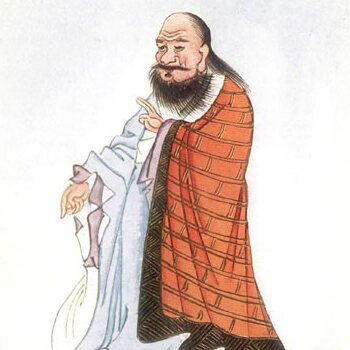
When life gets tense, many people default to pressure: push harder, speak louder, control more. Yet ancient philosophy offers a different playbook—one built on calm persistence instead of force. Lao Tzu captures that idea in a deceptively simple image:
“Nothing in the world is as soft and yielding as water, yet nothing can better overcome the hard and strong.”
Why would softness be stronger than hardness, and how can something gentle defeat something rigid? In this post, we’ll unpack what Lao Tzu really meant—and why this “water logic” still applies to conflict, habits, leadership, and self-control today.
Meaning of the Quote in One Clear Idea
Lao Tzu is teaching a principle that sounds strange until you watch it in real life: softness can win because it doesn’t break. Water is not “strong” in the usual sense. You can splash it, divide it, pour it, even step on it. And yet, over time, water shapes stone, wears down cliffs, and finds a path through almost anything. The lesson is not that softness is magically powerful in one dramatic moment. The lesson is that softness is powerful when it is paired with persistence and adaptability.
Think of two approaches to a problem. The “hard” approach tries to force a result quickly: command, pressure, overwhelm. The “soft” approach is patient and flexible: adjust, repeat, keep going. In a difficult conversation, for example, the person who attacks might “win” the moment by intimidating the other person. But the calm person who keeps asking precise questions often wins the outcome: they uncover the truth, keep dignity, and maintain influence. This quote is basically a reminder that long-term strength is often quiet strength. It doesn’t need to prove itself. It simply continues until the obstacle changes.
The Symbolism of Water in Taoist Philosophy
In Taoism, water is not just a poetic image. It is a model of how to live and act wisely. Water has three qualities that make it the perfect teacher: it is yielding, persistent, and responsive to its environment. It doesn’t fight reality head-on; it works with reality. That does not make it passive. It makes it intelligent.
A helpful way to understand this is to see water as a “strategy” rather than a substance. Water teaches:
- Adapt to the shape of the situation. A rigid person demands that life match their plan. A “water-minded” person adjusts the plan without losing the goal.
- Move around resistance instead of colliding with it. Water doesn’t try to punch through a mountain; it finds cracks, valleys, and pathways.
- Stay consistent. One wave is small. But the ocean changes coastlines because it never stops showing up.
Historically, this idea matters because ancient Chinese thought often warned against aggressive domination—political, personal, or military—because it creates backlash. Taoism suggests that the most effective influence is often indirect: steady, calm, and well-timed. In modern terms, this is like leadership that earns trust rather than demands obedience. You can force compliance for a while, but you can’t force respect. Water “wins” because it becomes unavoidable—not by violence, but by presence over time.
“Soft” Is Not “Weak”: The Critical Difference People Miss
Many people misunderstand the quote because they read “soft” as “helpless.” Lao Tzu means the opposite. Softness is not a lack of power; it is a different kind of power. Weakness collapses under pressure. Softness absorbs pressure and keeps functioning.
Here’s a simple comparison. Imagine a dry branch and a young green branch. The dry one is stiff; it snaps when you bend it. The green one bends and survives. That green flexibility is what Lao Tzu praises. Softness includes skills that are genuinely strong:
- Self-control. Staying calm when provoked is harder than exploding.
- Emotional balance. A person who can listen without immediately defending themselves has real inner strength.
- Learning ability. Rigid minds break when they are wrong. Flexible minds update and improve.
Modern examples make this very clear. In debates, the loudest person often looks powerful, but that is sometimes just insecurity wearing armor. The person who can slow down, ask for definitions, and respond thoughtfully tends to shape the discussion. In relationships, someone who uses pressure and guilt may get short-term results, but they often destroy trust. The “soft” person who is firm but respectful can create long-term stability. So, the quote is not advising you to be a doormat. It is advising you to be flexible without losing direction, because that combination is harder to defeat than brute force.
The Critique of Force and Control as a Life Strategy
Under the surface, Lao Tzu is criticizing a very common human habit: when we fear uncertainty, we reach for control. We try to make life obey us. We push. We tighten. We escalate. Sometimes it works quickly—but it often creates damage that shows up later.
Force-based living has predictable side effects:
- Resistance grows. The more you push people, the more they push back—or they comply outwardly while resenting you inwardly.
- You get exhausted. Constant control takes constant energy. If you must “hold” everything, you never rest.
- Results become fragile. A forced outcome depends on continued pressure. Once pressure stops, the outcome collapses.
You can see this in everyday situations. In parenting, strict punishment may produce immediate obedience, but it can also produce fear, secrecy, or rebellion. In work environments, micromanagement can raise short-term performance but destroys initiative and creativity. In personal habits, “angry discipline” (punishing yourself into change) often burns out. Meanwhile, a “water approach” builds a system that lasts: small steps, consistent routines, and adjustments when life changes.
Philosophically, Lao Tzu is saying: what is rigid cannot survive a changing world. Life is not a machine you can control with a lever. It is a moving river. If you insist on fighting the current, you waste your strength. If you learn to move with it—without surrendering your values—you become far more effective. That is why water, the softest thing, can overcome what looks hardest.
The Psychological Layer: Ego, the Need to Win, and Inner Calm
A big part of Lao Tzu’s lesson is psychological: many “hard” behaviors come from ego and fear, not from true strength. When someone must always win, dominate, or control the situation, it often means they feel unsafe inside. They rely on pressure because they don’t trust that things will work out otherwise. In other words, hardness is sometimes a defensive mask.
Notice how this shows up in daily life. A person who cannot tolerate being questioned may react with anger, sarcasm, or stubbornness. That reaction is not power; it is fragility. Real strength is the ability to stay steady when your pride is challenged. Calmness is not passivity—it is a skill. It means you can pause, think, and choose your next move instead of being pushed by emotion.
Historically, many philosophical traditions connect self-mastery with strength. Taoism is especially direct: if you can’t manage your own mind, you will try to manage everyone else. A “water-like” person does the opposite. They practice:
- Patience under pressure (not rushing to react).
- Emotional flexibility (changing approach without losing self-respect).
- Quiet confidence (not needing to prove anything instantly).
That is why calm people often influence a room more than loud people. They don’t fight for attention; attention settles on them because they bring stability. This is the hidden psychological engine behind the quote: water overcomes hardness because water does not panic.
Modern Examples: Debate, Relationships, and Authority Without Noise
To understand this quote, it helps to see how “hard” and “soft” strategies play out socially. In debates, the “hard” style is to attack: speak fast, interrupt, raise your voice, corner the other person. It can look impressive, but it often produces shallow results. The “soft” style is to guide: ask for clarity, define terms, stay calm, and keep the conversation focused. This approach often wins in the long run because it protects truth from chaos.
In relationships, the difference is even clearer. Pressure can force a short-term outcome—someone agrees just to end conflict—but it damages trust. Softness, when done correctly, means you communicate firmly without aggression. For example, instead of “You always do this!” you say, “When this happens, I feel X. Can we try Y?” That is not weakness. That is skill.
In leadership, authority without noise is one of the strongest forms of influence. A good leader doesn’t need intimidation to be respected. They use consistency, fairness, and clear boundaries. People follow them because they trust them. This idea fits perfectly with Lao Tzu’s broader mindset—boldThe highest good is like water**—because the “best” kind of goodness is not dramatic or performative; it supports others quietly, and it stays stable in change.
So, the modern lesson is simple: loud force can win moments, but calm clarity wins systems—teams, relationships, reputations.
Habits and Discipline: Small Routine as “Quiet Strength”
When people try to change their lives, they often choose a “hard” method: strict rules, extreme routines, punishment, and self-anger. That approach can produce quick results, but it usually breaks because it depends on intensity. Intensity is emotional fuel, and emotional fuel runs out.
A “water strategy” for habits is different: it focuses on repeatable behavior, not heroic effort. This kind of discipline is quiet but powerful because it survives real life—bad days, travel, stress, and setbacks. Think of learning a language, exercising, or saving money. The people who succeed rarely do it by rage or obsession. They do it by building a routine that is almost boring.
Here is what “soft but strong” habit-building looks like:
- Start small enough that you can’t fail easily (10 minutes, not 2 hours).
- Repeat more than you intensify (consistency beats perfect performance).
- Adjust instead of quitting (if a plan breaks, redesign it).
- Measure progress in weeks, not days (water works through time).
Historically, this matches old wisdom across cultures: self-mastery is gradual. Philosophically, Taoism argues that forcing yourself creates inner conflict, while steady practice creates harmony. The quote becomes very practical here: the “hard and strong” obstacle is your old habit pattern. Water overcomes it by showing up every day.
How to Apply the Quote in Practice: Simple Rules You Can Use
Philosophy is only useful if you can apply it. Lao Tzu’s idea becomes practical when you turn it into “if-then” behavior. The key is to replace “push harder” with “move smarter.” You do not surrender your goal—you change your method.
Try these application rules:
- If you feel the urge to escalate, slow down first. Count to ten, breathe, and decide what outcome you want—not what emotion wants.
- If you hit resistance, change angle instead of adding force. Ask: “What is the easier entry point?” This could be a smaller step, a different time, or a different conversation approach.
- If someone is aggressive, don’t mirror them. Calmness often removes the fuel from conflict. You can be firm without being loud.
- If a plan is too rigid, build a flexible version. For example, instead of “I must work out 60 minutes,” use “I will move 20–60 minutes depending on the day.”
- If you need power, aim for stability. True power is the ability to keep going without burnout.
Historically, flexible strategy is often more successful than direct confrontation—this is true in politics, negotiation, and even warfare. Philosophically, Taoism calls this acting in alignment with reality rather than fighting it. In modern life, this is how you avoid exhausting yourself while still making progress.
Common Misreading: “Be Soft” Does Not Mean “Be a Victim”
This quote is often misunderstood as advice to be passive. That is not what Lao Tzu is teaching. Softness is not the same as surrender. Water is yielding, but it is not powerless. It has direction. It has persistence. It can be gentle in touch and unstoppable in effect.
The best way to avoid this misunderstanding is to separate three ideas:
- Softness = flexibility in method.
- Weakness = lack of boundaries and lack of agency.
- Wisdom = knowing when to yield and when to hold firm.
A “water-like” person can say no. They can set boundaries. The difference is they don’t set boundaries with unnecessary violence. They don’t confuse cruelty with strength. For example, if someone treats you poorly, being “soft” doesn’t mean tolerating abuse. It means responding without losing control of yourself:
- You can leave calmly.
- You can end the conversation.
- You can state consequences clearly.
This is actually stronger than emotional retaliation because it protects your dignity and reduces chaos.
So the quote is not “let hard people win.” It is “don’t fight hardness with hardness.” If you copy the aggressor’s style, you become predictable and brittle. If you remain flexible and steady, you keep your freedom—and that is a deeper kind of power.
You might be interested in…
- What Lao Tzu Really Meant by “The Tao that can be told is not the eternal Tao” — Language, Experience, and the Limits of Definition
- The Meaning Behind “The Highest Good Is Like Water” – What Lao Tzu Really Meant
- The Meaning Behind “In the Pursuit of Learning… In the Pursuit of Tao…” — Why Lao Tzu Says Progress Also Means Letting Go
- Why “He Who Knows Others Is Wise; He Who Knows Himself Is Enlightened” Still Matters — Lao Tzu’s Lesson on Self-Knowledge
- The Meaning Behind “Nothing in the World Is as Soft and Yielding as Water…” — Lao Tzu on Quiet Strength