
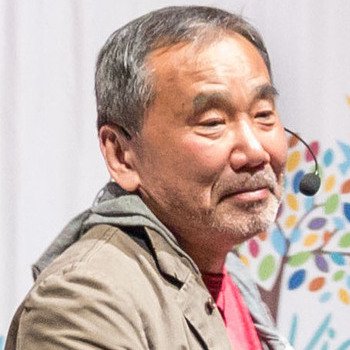
Quote Analysis
Life constantly places us in situations we cannot fully control—moments of physical strain, emotional turbulence, or unexpected hardship. Yet, within that unavoidable reality, some people remain calm, focused, and resilient. Why? Because they understand the difference between what life does to us and what we do to ourselves. Haruki Murakami captures this distinction perfectly in his well-known line:
“Pain is inevitable. Suffering is optional.”
Originally found in his memoir What I Talk About When I Talk About Running, this quote is more than advice for athletes; it reflects a philosophical lesson about awareness, acceptance, and the freedom hidden within our mindset.
Introduction to the Meaning of the Quote
Murakami’s statement invites us to examine a distinction that is often overlooked: the difference between the events that happen to us and the internal reactions we build around them. When he writes, “Pain is inevitable. Suffering is optional,” he is emphasizing that life brings challenges whether we are prepared or not. Illness, failure, heartbreak, or physical exhaustion are universal experiences; no one is exempt from them. However, how we interpret these events, how long we dwell on them, and whether we turn them into long-term emotional burdens—that part remains under our influence.
In simple terms, the quote teaches students that pain represents the objective stimulus, while suffering is the subjective story we attach to it. This separation is essential for understanding emotional resilience. For example, two people may face the same setback: one accepts it, learns from it, and moves forward, while the other remains stuck in resentment or fear. The event is identical, yet the inner outcomes differ completely. Murakami’s message encourages readers to develop mental habits that reduce unnecessary emotional weight, helping them recognize that their interpretation—not the pain itself—creates long-lasting distress.
Philosophical Interpretation – What Is “Inevitable Pain”?
To fully understand the quote, we must approach it through a philosophical lens. Pain, in Murakami’s context, refers to experiences that naturally occur as part of the human condition. Ancient philosophers already recognized this. For instance, stoics often taught that external events lie outside our control: bodies age, circumstances shift, and misfortune can strike without warning. Similarly, in Buddhist thought, pain is considered a fundamental aspect of existence; simply being alive means encountering discomfort and impermanence.
From a practical standpoint, pain can appear in different forms. Physical pain might arise during athletic effort, illness, or fatigue. Emotional pain emerges with loss, disappointment, or unfulfilled expectations. Even existential pain—the recognition of one’s limitations—belongs to this category. These experiences cannot be prevented entirely because they stem from life’s natural progression.
By calling pain “inevitable,” Murakami is not encouraging passivity but realism. He is teaching that resisting reality often intensifies discomfort. For example, a runner who expects training to feel effortless will only feel more frustrated when fatigue appears. Accepting pain as a neutral fact can reduce the emotional tension around it. In this way, the quote guides students to understand that outward events cannot always be changed, but acknowledging their necessity is the first step toward mental clarity.
Why Suffering Is “Optional” – The Role of Inner Choice
While pain describes what happens to us, suffering emerges from how we mentally process those experiences. In psychological terms, suffering is amplified through interpretation, rumination, and emotional resistance. Murakami’s message highlights a crucial insight: although we may not choose the source of pain, we can choose the narrative that follows. This distinction is central in both modern therapy and ancient spiritual teachings.
To clarify the idea, consider a simple example. A student receives a poor exam grade. The disappointment is the pain—a natural reaction. But if the student begins to think, “I’m worthless, I will never improve,” the experience turns into suffering. These added thoughts are optional because they depend on mental habits rather than the event itself. In everyday life, suffering often arises from dwelling on problems, replaying past hurts, or resisting inevitable situations.
This part of the quote also reflects a deeper form of freedom. While we cannot stop difficulties from arising, we can train ourselves to respond with acceptance, perspective, and self-awareness. Practices such as mindfulness, cognitive reframing, and emotional regulation help reduce unnecessary distress. The aim is not to suppress pain but to avoid building a second layer of suffering around it. Murakami’s insight encourages readers to cultivate inner discipline, reminding them that resilience grows from the ability to turn emotional reactions into conscious choices.
Stoicism and Murakami – Bridging Ancient Wisdom and Modern Thought
To understand Murakami’s message more fully, it is useful to place it alongside ancient Stoic philosophy. Stoics such as Epictetus and Marcus Aurelius taught that human beings cannot control external events, but they can control their judgments and reactions. Murakami presents this same distinction in contemporary, accessible language. While his quote is rooted in his experience as a long-distance runner, the idea itself stretches back thousands of years.
Stoics believed that emotional turmoil arises when we confuse what lies within our control with what does not. They encouraged students to focus on their attitudes, decisions, and inner stability rather than trying to eliminate discomfort from life. Murakami echoes this principle when he describes the exhaustion, doubt, and physical strain of running. He does not suggest that the pain can be avoided; instead, he highlights how discipline and mindset determine whether the discomfort becomes overwhelming.
From a modern perspective, this link between Murakami and Stoicism helps students see that emotional strength is not about becoming numb. It is about developing clarity. When we recognize that pain is a natural part of growth—whether in sport, work, or personal relationships—we stop wasting energy fighting the unavoidable. This shift in perspective brings a sense of calm that is central both to Stoic philosophy and Murakami’s writing.
Psychological Perspective – How the Mind Creates or Reduces Suffering
Modern psychology provides a useful framework for understanding why suffering is considered “optional.” While pain activates physical or emotional responses, suffering emerges from cognitive processes such as interpretation, memory, and expectation. In cognitive-behavioral therapy (CBT), for example, suffering is often linked to patterns of distorted thinking. These include catastrophizing, overgeneralization, or taking events too personally.
To illustrate this in a simple way, imagine someone stuck in traffic on an important day. The situation is unpleasant—that is the pain. However, the mind may create additional distress with thoughts such as: “This always happens to me,” “My whole day is ruined,” or “Everything is out of control.” These thoughts amplify discomfort even though they are not part of the event itself. They are reactions shaped by habit, not necessity.
Psychology also shows that suffering decreases when individuals learn to observe their thoughts with distance. Mindfulness, for instance, teaches people to identify emotions without immediately engaging with them. Acceptance and Commitment Therapy (ACT) encourages individuals to accept what cannot be changed and to act according to their values instead of their fears. These tools demonstrate that the way we process pain determines whether it becomes long-lasting distress or simply a moment we acknowledge and move through. Murakami’s insight aligns with these principles by emphasizing that inner freedom grows from awareness and conscious choice.
Practical Application – Using the Quote in Everyday Life
Although the quote originated from Murakami’s reflections on running, its practical relevance extends into many areas of daily life. Understanding the difference between pain and suffering helps students make better decisions during stressful or unpredictable moments. In everyday situations, this awareness can prevent unnecessary emotional escalation.
A useful way to apply the quote is to pause and ask oneself: “What part of this experience is unavoidable, and what part am I adding through my reaction?” Consider a few common examples:
- Physical challenges, such as exercise or illness
- Relationship conflicts or misunderstandings
- Academic or professional setbacks
- Situations involving uncertainty or waiting
In each case, pain may be present, but suffering grows when we resist reality, exaggerate problems, or take events as personal failures. The practical goal is not to suppress emotions but to understand them. For instance, a person facing a demanding task might choose to focus on progress instead of difficulty. Someone experiencing disappointment might acknowledge the feeling without allowing it to define their identity.
By practicing this distinction regularly, individuals develop emotional resilience. They begin to respond thoughtfully instead of reacting impulsively, and this shift reduces the intensity of negative experiences. Murakami’s wisdom becomes a tool that transforms everyday challenges into opportunities for self-mastery.
Inner Freedom as the Core Message
At its core, Murakami’s statement offers a lesson about inner freedom. Pain remains part of the human condition; it will appear throughout life in different forms and moments. However, suffering is shaped by how we relate to that pain. When students understand this difference, they gain access to a psychological and philosophical tool that supports long-term well-being.
What Murakami ultimately teaches is that freedom does not always involve changing external circumstances. Sometimes it begins with shifting our inner stance. When we accept pain as a natural, often temporary element of experience, we reduce resistance and open space for clarity. This approach aligns with both Stoic resilience and Buddhist acceptance: it encourages calmness in the face of difficulty and emphasizes mindfulness rather than emotional avoidance.
In practical terms, the conclusion is straightforward: life will present unavoidable challenges, but we have the power to choose our response. This ability to shape our inner world gives us a stable foundation regardless of what happens externally. Murakami’s message becomes a reminder that although we cannot remove pain from life, we can transform how we experience it—and in that transformation lies genuine strength.
You might be interested in…
- The Meaning Behind “Whatever It Is You’re Seeking Won’t Come in the Form You’re Expecting” – Murakami’s Lesson on Uncertainty
- The Deeper Meaning Behind Murakami’s Quote “Pain Is Inevitable. Suffering Is Optional.”
- Why Murakami’s ‘If You Only Read the Books That Everyone Else Is Reading’ Still Shapes Independent Thinking Today
- What Murakami Really Means in “Death Is Not the Opposite of Life, but a Part of It”
- The Emotional Duality Behind Murakami’s “Memories warm you up from the inside. But they also tear you apart”